
Imagine diving headfirst into a world where gravity is just a suggestion, and your only limit is your imagination. Welcome to the realm of virtual reality games, where players can swing lightsabers, explore alien planets, or even become a cat in a bustling city. It’s not just gaming; it’s a full-body experience that makes reality feel like a boring old novel.
As technology evolves, so does the way people play. Virtual reality is transforming the gaming landscape, offering immersive experiences that keep players coming back for more. Whether you’re dodging virtual bullets or solving puzzles in a fantastical universe, VR games are redefining fun. So grab your headset and get ready to laugh, scream, and maybe even question your sanity as you step into a universe that’s more vibrant than your wildest dreams.
Overview Of Virtual Reality Games
Virtual reality games create immersive experiences that transport players into fully realized digital worlds. Engaging players involves using advanced technology such as headsets, motion controllers, and haptic feedback systems. These components work together to enhance realism, resulting in an extraordinary sense of presence within the game environment.
Various genres exist within virtual reality games, appealing to diverse interests. Action and adventure titles often draw players into exciting narratives, while simulation games provide lifelike scenarios for exploration or training. Puzzle games challenge players’ minds, requiring critical thinking and problem-solving skills in a captivating setting.
Some of the most popular virtual reality games include Beat Saber, known for its rhythmic gameplay, and Half-Life: Alyx, a critically acclaimed story-driven experience. These titles exemplify how VR games enable players to physically interact with the game world, blurring the lines between reality and fiction.
Also, the multiplayer experience in virtual reality games fosters social interaction. Friends can join each other in the same virtual space, enhancing communication and teamwork in cooperative gameplay. These dynamics create shared experiences that often lead to lasting friendships.
The rise of virtual reality gaming continues to reshape the entertainment landscape. Industry growth signals increased investment in hardware and software development. Companies are keen to push the boundaries of what’s possible, creating even more engaging and interactive experiences. As technology evolves, the potential for virtual reality games appears limitless, promising exciting adventures ahead.
Types Of Virtual Reality Games
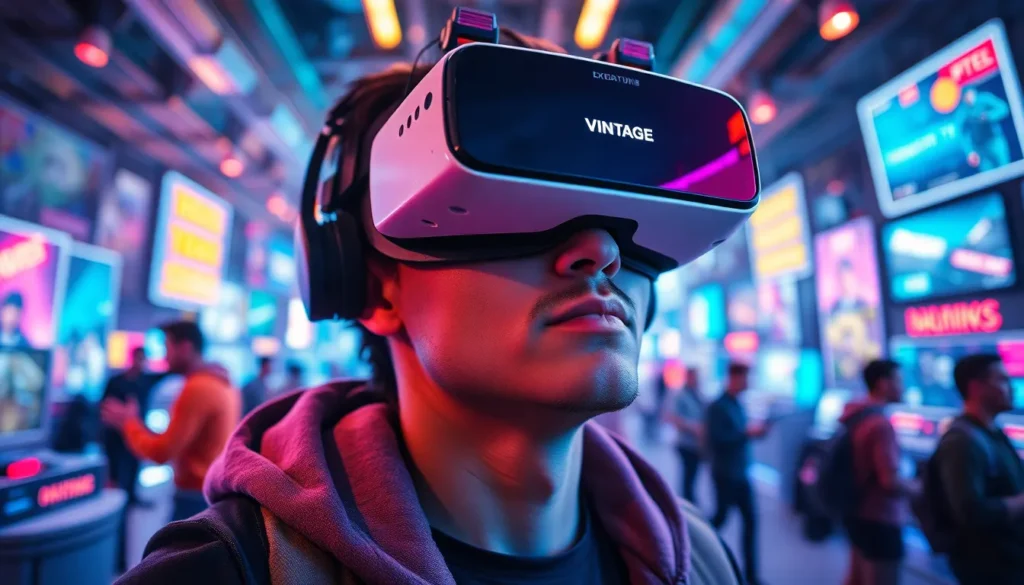
Virtual reality games encompass various genres, each offering unique experiences that engage players in different ways. The following subcategories highlight the diversity within VR gaming.
Action Games
Action games in VR immerse players in high-energy environments. Experiences often include intense combat, fast-paced movement, and quick reflex challenges. Titles like “Beat Saber” combine rhythm with physical exertion, inviting players to slice blocks to the beat of the music. Another popular game, “Superhot VR,” requires strategic thinking as players manipulate time and evade enemy attacks. These games emphasize hand-eye coordination, making them appealing for those seeking adrenaline-pumping gameplay.
Simulation Games
Simulation games simulate real-world activities, making players feel as though they are in reality. Options include flight simulators, racing experiences, and life simulations. “Microsoft Flight Simulator” allows users to pilot various aircraft, experiencing realistic controls and atmospheric conditions. In contrast, “Job Simulator” offers a humorous take on everyday tasks in a lighthearted, exaggerated manner. These games provide both entertainment and educational opportunities, allowing players to explore careers and activities in an engaging way.
Puzzle Games
Puzzle games challenge players’ problem-solving skills through immersive scenarios. Many focus on logic, spatial awareness, and creative thinking. “The Room VR: A Dark Matter” invites players to uncover mysteries through intricate puzzles set in stunning environments. By contrast, “I Expect You To Die” combines escape room elements with a spy narrative, requiring players to think critically. Engaging narratives and tactile interactions make these games particularly captivating, encouraging players to think outside the box.
Benefits Of Playing Virtual Reality Games
Virtual reality games offer numerous benefits that enhance gaming experiences. Players gain access to cutting-edge technology that creates engaging and memorable interactions.
Immersive Experience
Immersive experiences stand as a defining feature of virtual reality games. Elements such as realistic graphics and spatial audio transport players into diverse environments. Full-body movement enhances player engagement, making every action feel significant. Gamers experience scenarios that traditional gaming cannot replicate, allowing them to feel emotions and adrenaline directly. Titles like “Half-Life: Alyx” showcase how detailed worlds foster genuine connections to game narratives.
Enhanced Learning
Enhanced learning emerges as another advantage. VR games provide interactive tutorials that cater to different learning styles. Realistic simulations enable players to practice skills in risk-free environments. For example, “Microsoft Flight Simulator” gives aspiring pilots a safe platform to learn aviation without real-world consequences. Educational VR games also promote retention by immersing players in hands-on experiences that traditional methods lack.
Social Interaction
Social interaction thrives within virtual reality gaming. Friends can break geographical barriers by connecting in shared virtual spaces. Engaging in multiplayer games fosters teamwork and communication, strengthening friendships. Platforms like VRChat allow players to socialize and collaborate on various activities, enhancing the sense of community. Such interactions create memorable experiences, enabling players to participate in unique adventures together.
Challenges And Limitations
Virtual reality games face several challenges and limitations that can impact player experiences. These include high costs and issues related to player comfort.
Cost Of Equipment
High-quality VR gaming requires significant investment in equipment. Gamers often spend anywhere from $300 to $1,000 on VR headsets. Additional peripherals such as motion controllers or tracking systems add to this cost, sometimes totaling over $1,500 for a complete setup. Budget-friendly alternatives exist, but they may compromise on quality and immersion. The ongoing need for high-performance gaming PCs further increases expenses. Many players find this financial barrier limits widespread adoption of VR gaming.
Motion Sickness
Motion sickness poses a common issue for VR players. Symptoms like nausea, dizziness, and headaches can disrupt enjoyment and lead to negative experiences. Although developers work to improve comfort through better frame rates and smoother transitions, not all users adapt positively. Certain game mechanics may exacerbate discomfort, especially in fast-paced environments. Research suggests that approximately 40% of players experience some form of motion sickness in VR. Solutions like adjusting settings or taking breaks can help, but they do not eliminate the issue for everyone.
Popular Virtual Reality Games
Virtual reality gaming continues to thrive, with a variety of engaging titles captivating players. Here’s a look at some standout games that define the genre.
Game Titles Overview
“Beat Saber” engages players through music-driven gameplay that combines rhythm and physicality. “Half-Life: Alyx” offers an immersive storyline, pushing the boundaries of narrative depth in VR. Action-oriented titles like “Superhot VR” challenge players’ reflexes and strategic mindset. Simulation enthusiasts enjoy “Microsoft Flight Simulator,” which delivers realistic flying experiences. “Job Simulator” serves as a playful exploration of various occupations, making mundane scenarios entertaining. Puzzle enthusiasts find satisfaction in “The Room VR: A Dark Matter,” which demands keen problem-solving skills. Collectively, these titles showcase the versatility of VR gaming across diverse genres.
User Reviews And Ratings
Players consistently praise “Beat Saber” for its fun mechanics and engaging soundtrack, often rating it highly among VR experiences. “Half-Life: Alyx” receives accolades for its stunning graphics and immersive gameplay, making it a must-play for many. User feedback highlights the unique challenges in “Superhot VR,” with scores reflecting its engaging action. “Microsoft Flight Simulator” garners impressive ratings for its realism and educational value, attracting aviation enthusiasts. Reviews for “Job Simulator” emphasize its humor and relatability, earning it a loyal following. Lastly, “The Room VR: A Dark Matter” impresses users with its intricate puzzles and captivating atmosphere, resulting in positive ratings.
Virtual reality games are redefining the gaming landscape with their immersive experiences and innovative technology. As players dive into these captivating digital worlds they discover new levels of engagement and interaction. The diverse genres available ensure there’s something for everyone whether it’s action-packed adventures or thought-provoking puzzles.
While challenges like cost and comfort remain the VR industry continues to evolve. With ongoing advancements in technology and a growing library of titles players can look forward to even more thrilling experiences. The future of virtual reality gaming holds endless possibilities promising to enhance social connections and redefine entertainment as we know it.