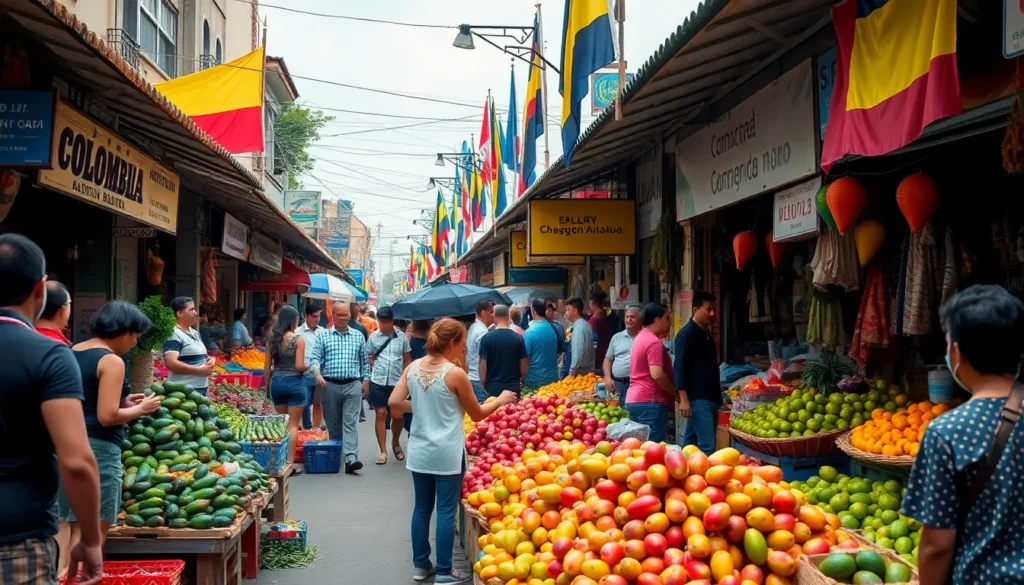
In the vibrant world of Colombian currency, the price of the dollar often feels like a rollercoaster ride—thrilling, unpredictable, and occasionally stomach-churning. For anyone navigating the economy, understanding the dollar’s price in Colombia isn’t just a matter of curiosity; it’s essential for making informed decisions about travel, investments, and even that dream vacation to Cartagena.
Picture this: you’re at a bustling market, eyeing a delicious arepa, but the price tag suddenly seems to skyrocket thanks to the dollar’s antics. Knowing the current exchange rate can save you from feeling like you just forked over a small fortune for a snack. Join the journey as we dive into the factors influencing the dollar’s value in Colombia, ensuring you stay savvy and ready to seize opportunities in this dynamic financial landscape.
Overview of Precio De Dólar En Colombia
Understanding the precio de dólar en Colombia is essential for anyone engaging with the Colombian economy. The exchange rate varies frequently, influenced by factors such as inflation rates and political stability. For instance, a recent report indicates that the dollar’s value hovered around 4,500 COP in late October 2023, reflecting shifts in both domestic and international markets.
Impacts of this exchange rate extend beyond mere numbers. Travelers benefit from knowledge about the dollar’s price, aiding in budgeting their trips. In addition, investors must consider the dollar’s rate when planning purchases or investments, as fluctuations can affect profit margins and costs.
Critically, market forces such as supply and demand play a significant role in dollar valuation. When demand for foreign goods rises, so does the dollar’s price in pesos. Additionally, foreign investment inflows can strengthen the peso, thereby lowering the dollar’s price.
Analysts suggest that central bank policies also influence the exchange rate in meaningful ways. Policies aimed at stabilizing the economy often lead to a more favorable dollar price. Therefore, it’s practical to monitor both government actions and global economic trends for a comprehensive understanding of the dollar’s situation in Colombia.
Lastly, staying informed about current dollar prices enables individuals and businesses to make timely financial decisions. Economic reports, news updates, and financial services provide essential data for evaluating the dollar’s impact on daily life in Colombia.
Factors Influencing Dólar Exchange Rate
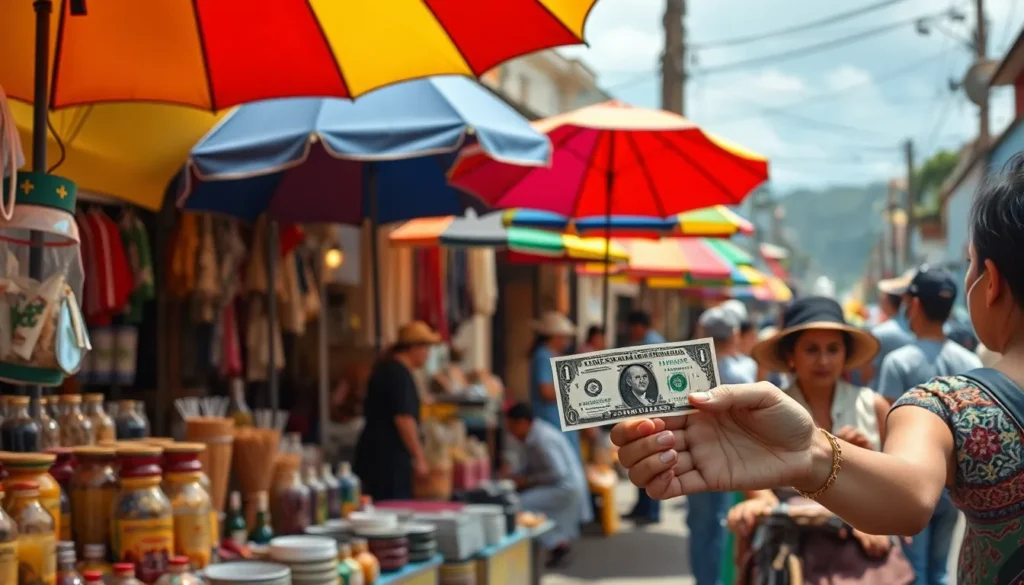
Understanding the factors influencing the dollar exchange rate in Colombia proves essential for making informed financial choices. Economic indicators and political stability hold significant sway over valuation changes.
Economic Indicators
Economic indicators directly reflect the country’s financial health. Inflation rates, GDP growth, and unemployment figures play critical roles in shaping perceptions of the peso. High inflation tends to weaken the currency, leading to a higher dollar exchange rate. On the other hand, strong GDP growth can enhance investor confidence and buoy the peso’s value. Foreign trade balances impact the demand for dollars, as surpluses generally lead to a stronger peso. Monitoring these indicators helps individuals anticipate shifts in the dólar’s value.
Political Stability
Political stability profoundly influences the dollar exchange rate. Countries with stable political environments attract foreign investment, strengthening their local currencies. When Colombia demonstrates political stability, investors feel more secure, boosting confidence in the peso. Conversely, political turmoil often results in fluctuations, causing the dollar’s value to rise as investors seek safer assets. Government policies and their effectiveness also contribute to perceptions of stability. Keeping an eye on political developments is crucial for understanding potential impacts on the dollar in Colombia.
Historical Trends of Dólar Pricing
Understanding the historical trends of the dollar price in Colombia offers valuable insights into economic conditions. Fluctuations reveal how various factors interplay, affecting purchasing power and investment decisions.
Recent Developments
Recent developments show significant changes in the dollar’s value. As of late October 2023, the exchange rate hovered around 4,500 COP, influenced by both international market trends and local economic conditions. Political events and economic policies have led to rapid dollar price shifts. For instance, heightened demand for imports or changes in inflation can abruptly affect the exchange rate. Investors and travelers benefit from keeping an eye on these fluctuations to make informed financial choices.
Long-Term Patterns
Long-term patterns illustrate the dollar’s trajectory over years. Historically, Colombia’s dollar price experienced peaks and troughs, primarily driven by economic stability and growth rates. Major economic events, such as financial crises or commodity price changes, significantly impacted the dollar’s valuation. Inflation rates often correlated with dollar strength, showcasing how economic health intertwines with currency value. Analysts highlight that understanding these long-term trends requires monitoring economic indicators and government policies for accurate predictions.
Comparison with Other Currencies
Understanding the dollar’s price in Colombia also involves examining its value against other currencies, both regionally and globally.
Regional Comparisons
In neighboring countries like Venezuela and Ecuador, the dollar often carries different weights. For instance, the dollar in Venezuela faces extreme fluctuations due to hyperinflation, pushing its value significantly higher than in Colombia. Meanwhile, Ecuador uses the US dollar as its official currency, creating a stable exchange rate but limiting monetary policy flexibility. Comparatively, countries like Peru and Brazil experience variable exchanges with the dollar, reflecting their unique political and economic climates. These regional nuances affect trade, tourism, and investment strategies for Colombians engaging with these economies.
Global Perspective
Globally, the dollar remains a dominant currency, particularly against major players like the euro and the Japanese yen. The exchange rate trends between these currencies and the Colombian peso demonstrate the dollar’s strength or weakness in response to global economic conditions. For instance, a stronger dollar typically correlates with decreased purchasing power in Colombia, impacting import prices and inflation pressures. As economies shift, monitoring these global dynamics offers insights into how Colombia’s dollar value aligns with or diverges from broader market trends. Understanding these global impacts plays a crucial role in strategic financial planning and investment decisions.
The fluctuating price of the dollar in Colombia presents both challenges and opportunities for individuals and businesses alike. Staying informed about the exchange rate is vital for making sound financial decisions. Whether planning a trip or considering investments understanding the dollar’s value can significantly impact budgeting and profitability.
As market dynamics continue to evolve monitoring economic indicators and government policies will remain essential. This knowledge empowers people to navigate the complexities of Colombia’s economy with confidence. By recognizing the broader implications of dollar fluctuations they can better prepare for the future and make informed choices.