
First person horror games are not just about scary monsters lurking in the shadows: they’re a psychological rollercoaster that grips players by the throat and doesn’t let go. Picture this: the soft creak of floorboards, the distant echo of a whisper, and your heart racing faster than a caffeine-fueled squirrel. If you think surviving a horror title is simple, think again. In this text, we’ll explore how these spine-chilling adventures evolved, what makes them tick, and how players can enhance their experience without losing their sanity (or maybe just a little). Buckle up.
The Evolution of First Person Horror Games
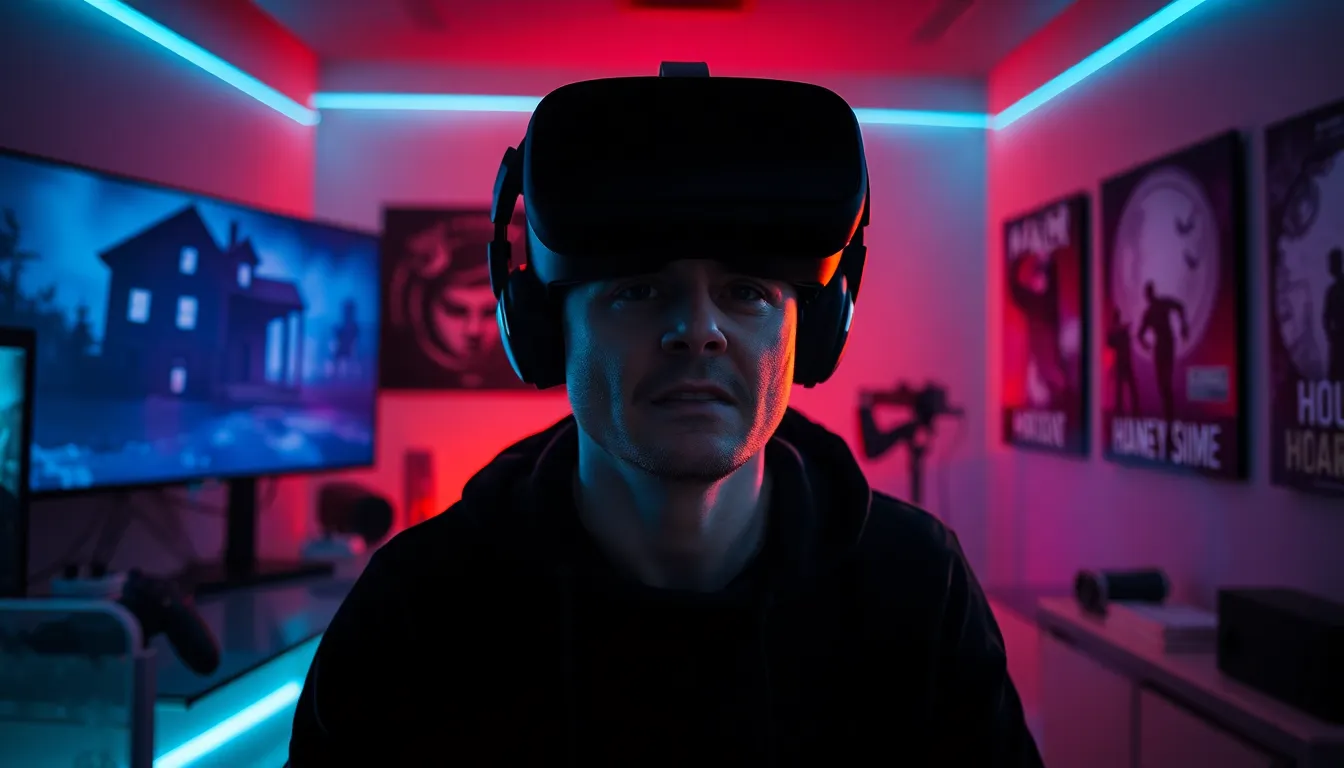
First person horror games have come a long way since their inception. They started as rudimentary experiences, often with basic graphics and clunky controls, focusing solely on jump scares. Early titles like “Doom” introduced a blend of horror with action, creating a sense of unease within the fast-paced gameplay.
As technology advanced, so did the genre. The arrival of 3D graphics transformed atmospheric tension, illustrated vividly in games like “Resident Evil” and “Silent Hill”. These classics created haunting environments, engaging sound design, and complex narratives, elevating horror to new heights. Players found themselves immersed in disquieting settings, where every corner could harbor a lurking threat.
The launch of VR technology brought a revolutionary shift, making horror more visceral. Titles like “Resident Evil 7: Biohazard VR” allowed players to step into the shoes of the terrified protagonist, making every drop of sweat and heartbeat alarmingly real. Now, first person horror games are not just about seeing the terror unfold, it’s about feeling it, living it, and sometimes, questioning one’s own bravery.
Key Features That Define the Genre
Several key features define first person horror games, cementing their place in the gaming landscape.
1. Immersive Perspective: The first person viewpoint is crucial. It draws players directly into the protagonist’s shoes, heightening the sense of vulnerability. When players can’t see what’s behind them, dread amplifies.
2. Atmospheric Sound Design: Sound plays a pivotal role in creating tension. Whether it’s the haunting whispers, the rustling of leaves, or the ominous silence before something dreadful happens, audio cues can rattle bones.
3. Limited Resources: Often, these games thrive on scarcity. Whether it’s diminishing ammunition or limited health items, the struggle to survive intensifies fear.
4. Psychological Elements: Many titles explore psychological horror, ethical dilemmas, and human fears rather than just relying on monsters. Storylines investigate deep into the characters’ psyche, making players question what’s real and what’s imagined.
5. Jump Scares and Crafty Mechanics: While jump scares often get a bad rap, when used strategically, they can be effective. But, it’s the underlying anxiety that keeps players on edge long after a scare.
Popular First Person Horror Games
Several titles have left a significant mark on the genre, showcasing the versatility and creativity within first person horror gaming.
1. Amnesia: The Dark Descent: A hallmark of psychological horror, this game limits players’ combat options, pushing them to solve puzzles while avoiding the horrors lurking in the dark. The fear of the unknown is palpable, making every flicker of light a beacon of hope.
2. Outlast: With its found footage style, players must navigate a creepy asylum, utilizing stealth and strategy to survive. The sense of helplessness paired with lurking dangers creates a nail-biting tension, accentuated by the absence of combat.
3. Resident Evil 7: Biohazard: Making a triumphant return to horror roots, it introduces a new level of immersion through its first-person perspective and VR compatibility. Set in a decaying mansion, players must face unnerving enemies while unraveling dark family secrets.
4. Phasmophobia: This cooperative multiplayer experience lets players become ghost hunters. The blend of horror with teamwork and investigation mechanics creates a unique atmosphere where fear is shared, and often escalates.
5. Alien: Isolation: A masterclass in tension, this game pits players against the iconic Xenomorph in a vast space station. The creature’s unpredictable behavior ensures that players are constantly on edge, needing to outsmart the unparalleled AI of their adversary.
Tips for Immersive Horror Gaming Experience
To amplify the thrills and chills of first person horror games, players can employ several strategies:
1. Adjust the Environment: Create an immersive setting. Dim the lights, crank up the volume, and ensure all distractions are minimized. Adding a little ambiance can enhance the overall experience.
2. Use Headphones: Immersive sound design can deeply affect horror gaming. High-quality headphones allow players to hear every whisper, creak, and distant thud, making the experience richer.
3. Play Alone: While co-op gaming has its perks, playing solo can heighten anxiety. Facing fears alone transforms a thrilling narrative into a deeply personal confrontation.
4. Embrace the Fear: Don’t shy away from the creepy atmospheres. Allowing oneself to feel anxious or frightened can lead to a more genuine experience. Sometimes, it’s okay to scream at a jump scare.
5. Manage the Pace: Take breaks if necessary. Some games can be intense. Recognizing when to step away ensures every encounter remains impactful.
The Future of First Person Horror Games
Looking ahead, the realm of first person horror games is ripe with potential. With advancements in technology and an ever-expanding community of passionate developers, several trends may shape the horizon:
1. Augmented Reality (AR): As AR continues to evolve, games that blend real-world elements with horror mechanics could emerge, providing a uniquely immersive experience.
2. Enhanced AI: The future may see smarter enemies with increasingly complex behavior patterns, amplifying the tension. Imagine a game character who evolves based on a player’s strategies, making survival even tougher.
3. Story-Driven Experiences: The focus on deep narratives may become paramount, intertwining player choices with varying outcomes. Players may find themselves making challenging ethical decisions that influence the horrifying tale.
4. Community-Centric Designs: Given the growth of online platforms and content sharing, community-driven experiences will likely become a staple, allowing players to share scares and stories together.
5. VR Immersion: The future of first person horror might lean heavily into virtual reality, creating experiences that heighten sensory engagement, ensuring that fear is felt, not just seen.